
Why Did History's First Wireless Remote Control Change Channels By Itself When Sunlight Hit It?
- 0
- 23-07-2026
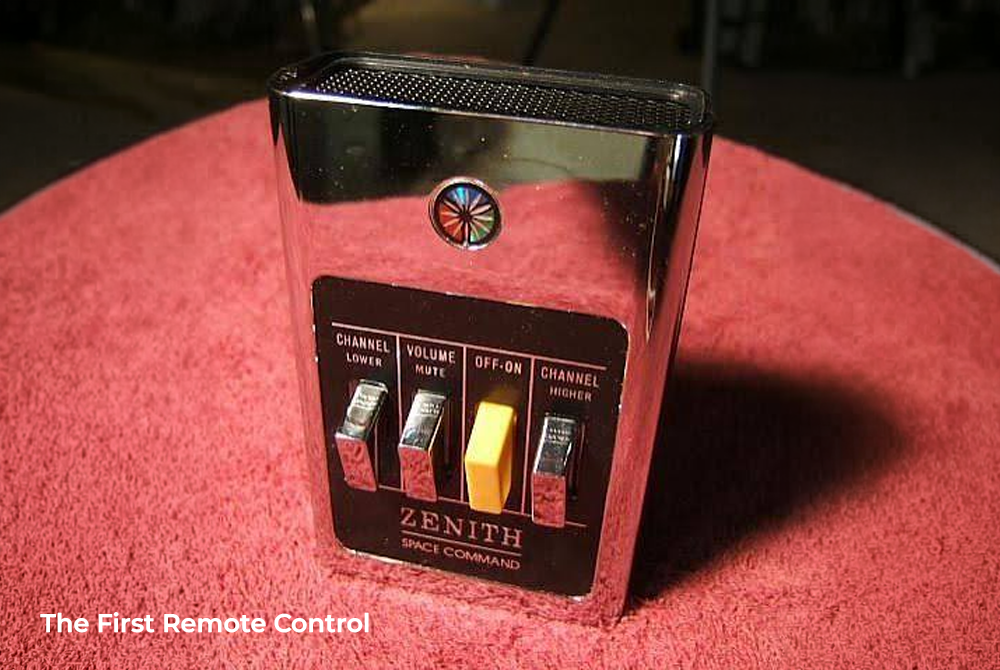
Imagine this: you are lying comfortably on the couch, shaking off the fatigue of the day, and watching your favorite show. Suddenly, a warm ray of sunlight slips through the window into the room, and... your television changes the channel completely on its own! No, there are no paranormal events or scary ghosts happening in your house. This is simply the rather comical yet revolutionary "personality" that humanity's first wireless television remote control possessed.
Until 1955, watching television required a certain amount of physical strength and endurance. The remotes of that era were connected to the television by long, thick, and awkward wires. Family members frequently tripped and fell over these cables while moving around the room, and children would get tangled up in the wires. Sitting in front of the television and having to stand up every time to change the channel, or wrestling with wires that resembled a spider's web, was a real headache.
Finally, Eugene Polley, an engineer at the famous "Zenith" company, invented the first wireless remote control called "Flash-Matic," which would put an end to all these struggles. Resembling a laser gun from science fiction movies in appearance, this device worked by sending a beam of light to special photo-sensors installed in the four corners of the television. When the button on the remote was pressed, the emitted light activated the sensor, changing the channel. For the people of that era, this felt like true magic—controlling the television without getting up from the couch seemed like a miracle!
The "Flash-Matic" had just one "small," yet incredibly entertaining problem that caused real comedy in homes: the television could not distinguish between the special light beam sent by the remote and ordinary sunlight streaming through the window.
During daytime hours, when strong and bright sunlight entered the room, or when someone turned the lights on and off in the house, the television would get completely confused. The sensors mistook the sunlight for the remote's signal, resulting in channels changing rapidly on their own or the television suddenly turning off. Homeowners sometimes panicked, thinking the device was controlled by spirits, and were forced to draw the window curtains. Unable to cope with sunlight, this device was soon pulled from the market.
Thanks to this funny yet chaotic error, which served as a major lesson for engineers, the technology world stepped into a new phase. This observed flaw forced specialists to work on invisible waves unaffected by sunlight and ambient light—namely, the infrared (IR) technologies and radio waves that we use widely today.
The next time you lie comfortably on your couch without touching any wires, simply looking at your smartphone or controlling the lights, air conditioner, and television in your house with voice commands, remember this: our endless digital comfort today was born precisely thanks to that strange, whimsical, and entertaining magical gun that was afraid of sunlight!