
How did a melting chocolate bar in a pocket lead to the invention of the world's first microwave oven?
- 0
- 09-07-2026
Although many major discoveries in the history of science are the result of years of planned research, some have emerged entirely by chance. The invention of the microwave oven is one such fascinating and unexpected event. The story of the microwave oven—a device now found in almost every home, heating food in just a few minutes—is actually rooted in military radar technology developed during the Second World War.
In 1945, Percy Spencer, an engineer working for the U.S. company Raytheon, was working on magnetrons, one of the key components of radar systems. A magnetron is a device that generates high-frequency electromagnetic waves—microwaves—and at that time, it was primarily used in radar systems to detect enemy aircraft. Spencer was a highly experienced engineer who had worked in the field of radio and electronics for many years. His attentiveness and observation skills led to an invention that would later change the world.
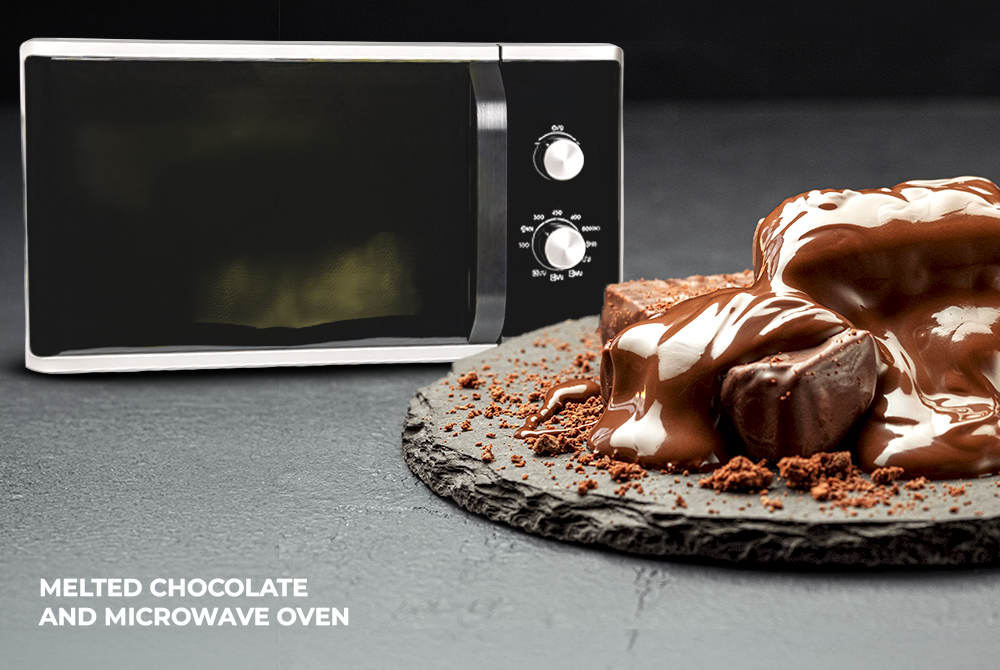
One day, while standing near an active magnetron, Spencer noticed that a chocolate bar he was carrying in his pocket had completely melted. At first glance, this seemed like an ordinary event, but it piqued his curiosity. Most people would have dismissed it as a random occurrence and continued with their work, but Spencer suspected there was a scientific reason behind it and decided to investigate how microwaves affect food.
In one of his first experiments, he placed popcorn kernels in front of the magnetron. A few seconds later, the kernels popped and turned into popcorn. This is considered the first microwave-prepared popcorn in history. Later, Spencer experimented with an egg. The fact that the egg heated up and exploded in a short time showed him that microwaves do not just heat the surface of food, but also generate heat by vibrating the water molecules inside it. This principle later formed the basis of the operating mechanism for microwave ovens.
Percy Spencer and the Raytheon company developed this new technology and patented it in 1945. In 1947, the first commercial microwave oven was produced. This device, called the "Radarange," was completely different from modern ovens. Weighing approximately 350 kilograms, this massive piece of equipment was the size of a refrigerator, was water-cooled, and cost about $5,000. For this reason, in the early stages, it was only used in restaurants, hospitals, hotels, and large institutions.
With the development of technology, magnetrons became smaller, safer, and more energy-efficient. By the 1960s and 1970s, microwave ovens became accessible for home use in terms of size and price. In a short time, this device became an integral part of the daily lives of millions of families. Today, microwave ovens are used not only to reheat food but also to thaw frozen products, cook certain meals, and accelerate various culinary processes.
This story shows that keen observation and curiosity play a huge role in the advancement of science and technology. If Percy Spencer had dismissed the melting chocolate in his pocket as a mere coincidence, the invention of the microwave might have been delayed for years. Today, if we can prepare our food in just a few minutes by pressing a button in our kitchen, it all started with a small piece of chocolate melting in an engineer's pocket in 1945. This event is one of the most interesting examples of how accidental discoveries can sometimes turn into the greatest technological innovations for humanity.