
When was the first electrical appliance invented?
- 0
- 27-05-2026
In the past, lighting a room, washing clothes, or ironing required hours of physical labor, burning wood, and carrying heavy coal. However, humanity's taming of electricity completely transformed the concept of luxury. In the 1880s, Thomas Edison patented a reliable electric light bulb for mass use. Electricity truly entered homes thanks to a bold move by banker J.P. Morgan. In 1882, he installed 385 electric light bulbs in his New York mansion. Since there was no central grid in the city, a steam engine was set up in the mansion's backyard. The engine's smoke annoyed the neighbors, and in winter, the warm underground cables attracted dozens of stray cats to the yard.
The First Electrical Appliances: The Iron and The Fan
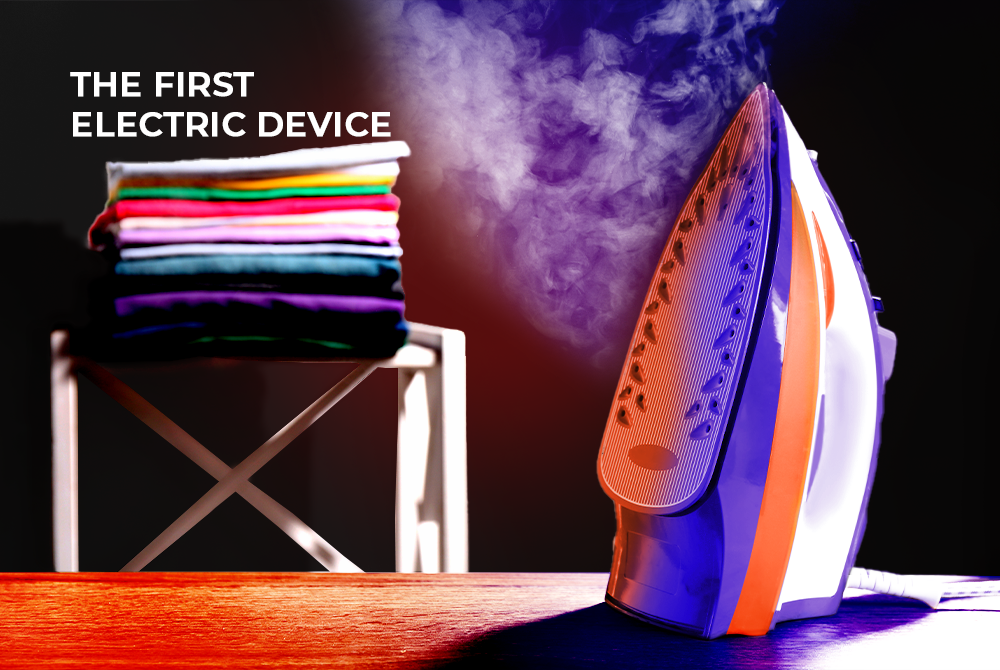
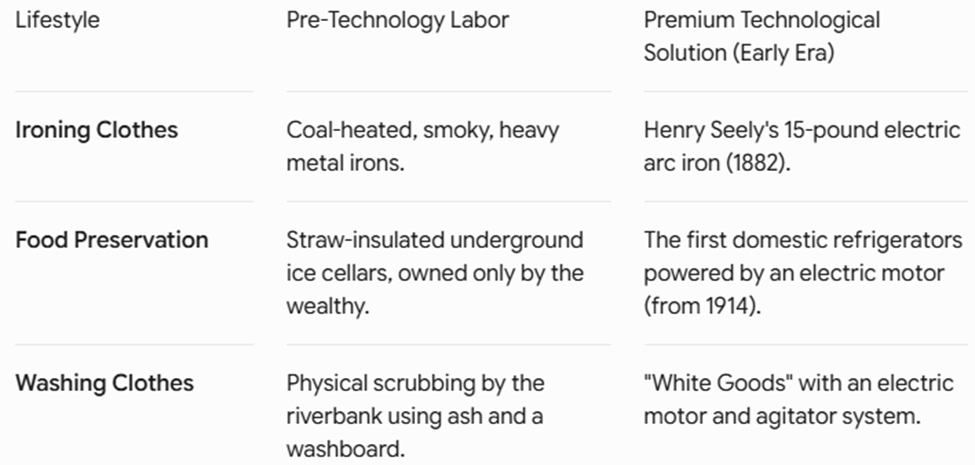
· The First Iron: Humanity's first electrical appliance was the electric iron, patented by Henry W. Seely in 1882. This device weighed approximately 6.8 kilograms (15 pounds). A dangerous electric arc, resembling a tiny lightning bolt, operated inside the device. Complete safety was only achieved in 1921 with the invention of the thermostat.
· The First Fan: Also in 1882, Dr. Schuyler Skaats Wheeler created the world's first electric fan by placing a propeller onto the shaft of an electric motor.
The Evolution of Lifestyle
Electrophobia and the Aestheticization of Appliances
The adoption of new technology was by no means easy, and it generated a deep sense of "electrophobia" within society. The most striking example of this was the 23rd President of the United States, Benjamin Harrison; even though electricity was installed in the White House in 1891, he and his wife were too terrified to touch the light switches, leaving the bulbs burning all night long. As technology advanced, appliances evolved from mere tools into aesthetic elements. In the 1950s, brands like General Electric manufactured appliances in bright colors such as "Petal Pink" and "Canary Yellow," elevating them to the status of luxury accessories. Consequently, the technological milestones that were once feared or exclusively owned by the upper class in the past have laid the foundation for today's smart, premium household standards.